'We Will Fight to Our Very Last Breath:' Township Leaders Vow to Fight Nuclear AI Data Center
Source published ·Modelwire updated
Original coverage: 404 Media ↗·How Modelwire adds context
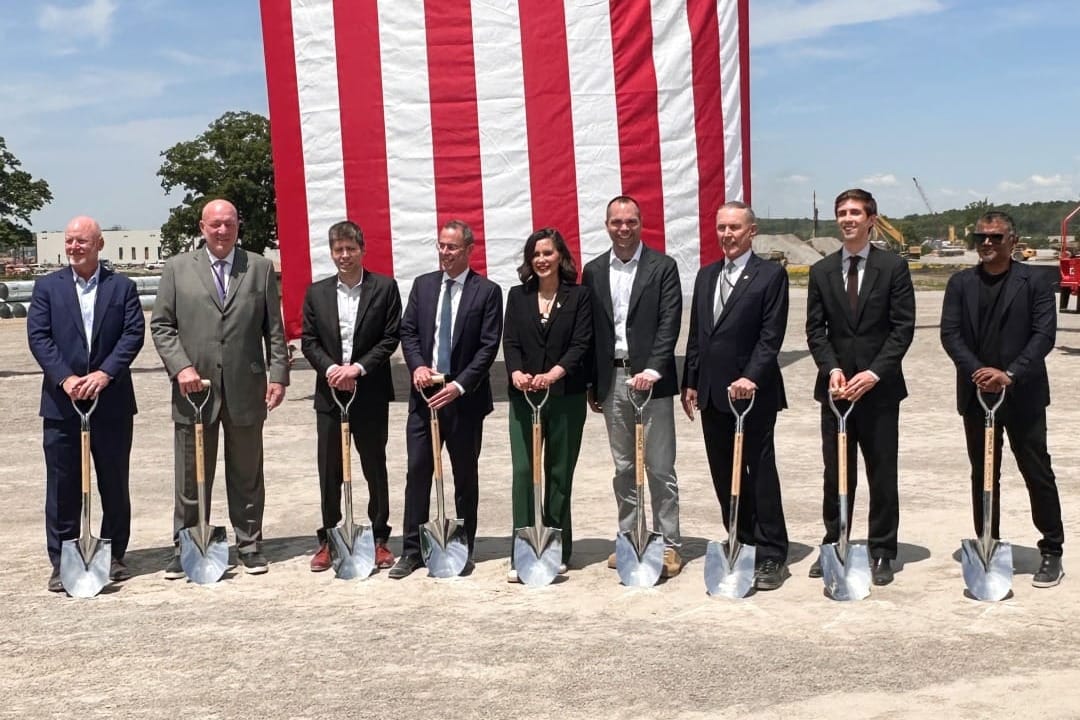
The development
Michigan township officials are mobilizing against a proposed nuclear-powered AI data center, signaling escalating community resistance to large-scale AI infrastructure projects. The clash reflects a broader tension between AI's computational demands and local governance concerns over energy, land use, and environmental impact. As major tech firms race to secure power-intensive capacity for training and inference workloads, regulatory and grassroots opposition is becoming a material constraint on infrastructure expansion, particularly in regions where nuclear facilities trigger heightened scrutiny.
Modelwire’s AI-generated summary of coverage from 404 Media.
Modelwire analysis
Analyst takeOur AI-generated reading of the wider context and the next developments to watch.
The specific detail worth noting is the nuclear angle: this isn't a standard gas or grid-tied data center fight, but a proposal that triggers a distinct and more politically charged regulatory surface, including federal NRC considerations layered on top of local zoning disputes.
This is largely disconnected from recent activity in our archive, as we have no prior coverage to anchor it to. It belongs to a growing category of stories about physical-world constraints on AI buildout, where the bottleneck is no longer chips or models but land, water, power agreements, and community consent. Nuclear-adjacent siting fights have their own precedent in energy policy debates that predate the current AI infrastructure wave, and that history matters here: township-level opposition has successfully delayed or killed utility-scale projects before, and the 'last breath' framing from local officials suggests this is not a token protest.
Watch whether Michigan's governor Gretchen Whitmer, who has positioned the state as a manufacturing and tech investment destination, intervenes on behalf of the developer or stays neutral. Her posture in the next 60 days will signal whether state-level political cover is available to override local opposition, which is the variable that typically determines whether these projects stall or proceed.
This interpretation is generated from the summary above and available source metadata. Our methodology · Report an error
MentionsGretchen Whitmer · Michigan
How this coverage is produced
Modelwire uses AI to generate summaries and context from source headlines, snippets, and selected archive coverage. Automated checks do not verify every claim, and items are not routinely reviewed by a person before publication. Zacaria Solis operates the site. Read the linked source for the full evidence and report errors through our corrections process.
Modelwire summarizes, we don’t republish. The full content lives on 404media.co. If you’re a publisher and want a different summarization policy for your work, see our takedown page.