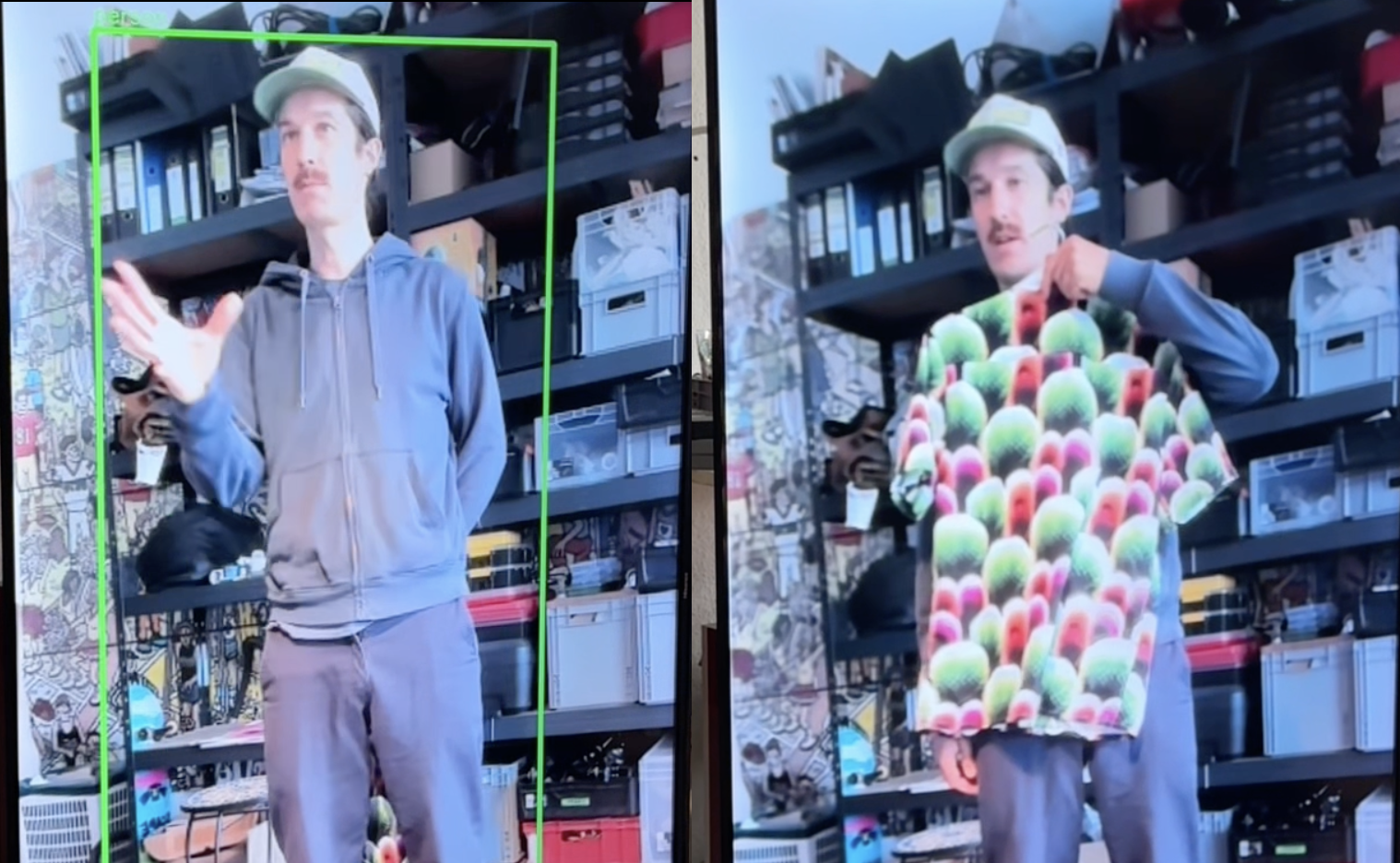
Weckert's adversarial shirt defeats computer vision surveillance systems
Source published ·Modelwire updated
Original coverage: 404 Media ↗·How Modelwire adds context
The development
Simon Weckert has demonstrated a practical adversarial technique that exploits vulnerabilities in computer vision systems used for surveillance. The 'digital camouflage' shirt represents a tangible proof-of-concept in the growing field of adversarial ML, where carefully designed patterns can fool object detection and tracking algorithms. This work highlights a critical gap between deployed surveillance infrastructure and the robustness of underlying AI models, raising questions about the reliability of automated monitoring systems in security-critical applications. For AI practitioners, it underscores the real-world stakes of model adversarial robustness and the need for defensive research alongside offensive capabilities.
Modelwire’s AI-generated summary of coverage from 404 Media.
Modelwire analysis
ExplainerOur AI-generated reading of the wider context and the next developments to watch.
Weckert's shirt works because surveillance systems rely on pre-trained models never stress-tested against adversarial inputs in deployment. The real news isn't that adversarial examples exist (known since 2013) but that security-critical infrastructure has shipped without defensive validation.
This connects directly to Google's AI search discriminating by nationality and Google's opaque election overviews (both from The Decoder, today). All three stories expose the same gap: production AI systems inherit vulnerabilities from training data and model design that only surface under adversarial or edge-case conditions. The surveillance camera failure mirrors how Google's retrieval pipeline absorbed biases that required external auditing to expose. Neither Google nor the surveillance vendors appear to have run systematic adversarial probing before deployment, suggesting a broader industry pattern of shipping first and defending later.
If camera manufacturers announce adversarial robustness testing protocols or retrain detection models within 90 days, that signals the industry recognizes this as a real vulnerability class. If they don't, and similar bypass techniques proliferate across different vendors' systems by year-end, that confirms surveillance infrastructure lacks the defensive research cycle that AI safety teams recommend.
This interpretation is generated from the summary above and the archive coverage cited below. Our methodology · Report an error
Coverage behind this analysis
These archive entries ground the connection in our analysis. They are ordered by source publication date, with links to our coverage and the original sources.
·The Decoder
Google's search AI removed nationality-based emergency alerts after bias discovery
Google's AI search system exhibited discriminatory behavior by recommending emergency services to users mentioning specific nationalities, exposing how training data biases propagate through retrieval-augmented generation pipelines. The company removed the nationality-triggered responses but the incident reveals a persistent challenge: AI systems trained on web-scale corpora absorb societal prejudices that surface unpredictably in production. This underscores…
MentionsSimon Weckert
How this coverage is produced
Modelwire uses AI to generate summaries and context from source headlines, snippets, and selected archive coverage. Automated checks do not verify every claim, and items are not routinely reviewed by a person before publication. Zacaria Solis operates the site. Read the linked source for the full evidence and report errors through our corrections process.
Modelwire summarizes, we don’t republish. 404 Media originally reported this story as “This 'Digital Camouflage' Shirt Confuses AI-Powered Surveillance Cameras”. The full content lives on 404media.co. If you’re a publisher and want a different summarization policy for your work, see our takedown page.