What an AI-designed car looks like
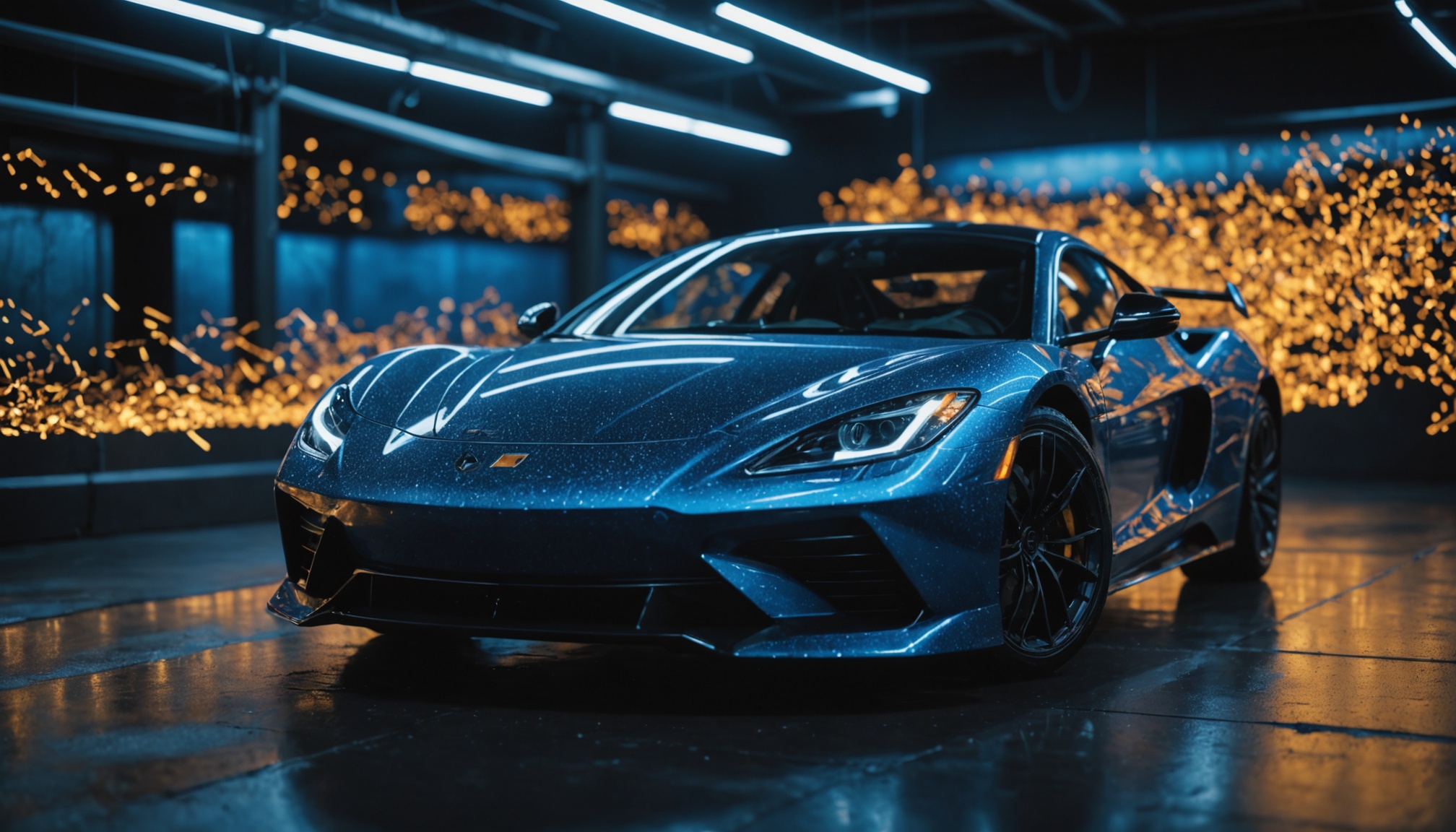
Automotive design cycles have historically locked manufacturers into five-year development windows, creating lag between market shifts and production reality. AI-driven design tools are compressing this timeline by automating aesthetic and functional iteration, allowing carmakers to respond faster to changing consumer preferences, regulatory environments, and energy economics. This represents a broader pattern of generative AI reshaping capital-intensive industries where design velocity directly impacts competitiveness and time-to-market advantage.
Modelwire context
Skeptical readThe summary treats design-cycle compression as an established outcome, but there's a meaningful gap between AI generating aesthetic iterations in a studio environment and those outputs surviving the engineering validation, regulatory homologation, and supply-chain constraints that actually govern production timelines. The five-year window isn't just a design problem.
This story sits inside a broader pattern Modelwire has been tracking: generative AI capability arriving faster than the scaffolding required to operationalize it. The AI Business piece from May 1st, 'AI Demand Is Outpacing the Scaffolding to Support It,' made exactly this point about enterprise deployment gaps, and automotive manufacturing is a sharper version of that same constraint. Separately, the copyright exposure documented in the TechCrunch piece on Artisan stealing art is directly relevant here: if AI design tools are trained on existing vehicle designs, carmakers adopting them inherit real IP liability that the design-velocity narrative tends to skip past.
Watch whether any named manufacturer commits to a production vehicle with a publicly attributed AI-designed exterior by end of 2027. If that doesn't materialize, the timeline compression claim is a studio demo, not an operational shift.
Coverage we drew on
- AI Demand Is Outpacing the Scaffolding to Support It · AI Business
This analysis is generated by Modelwire’s editorial layer from our archive and the summary above. It is not a substitute for the original reporting. How we write it.
MentionsThe Verge · automotive manufacturers
Modelwire Editorial
This synthesis and analysis was prepared by the Modelwire editorial team. We use advanced language models to read, ground, and connect the day’s most significant AI developments, providing original strategic context that helps practitioners and leaders stay ahead of the frontier.
Modelwire summarizes, we don’t republish. The full content lives on theverge.com. If you’re a publisher and want a different summarization policy for your work, see our takedown page.