Border Patrol's financial-analysis AI drives traffic stops without suspicion
Source published ·Modelwire updated
Original coverage: 404 Media ↗·How Modelwire adds context
The development
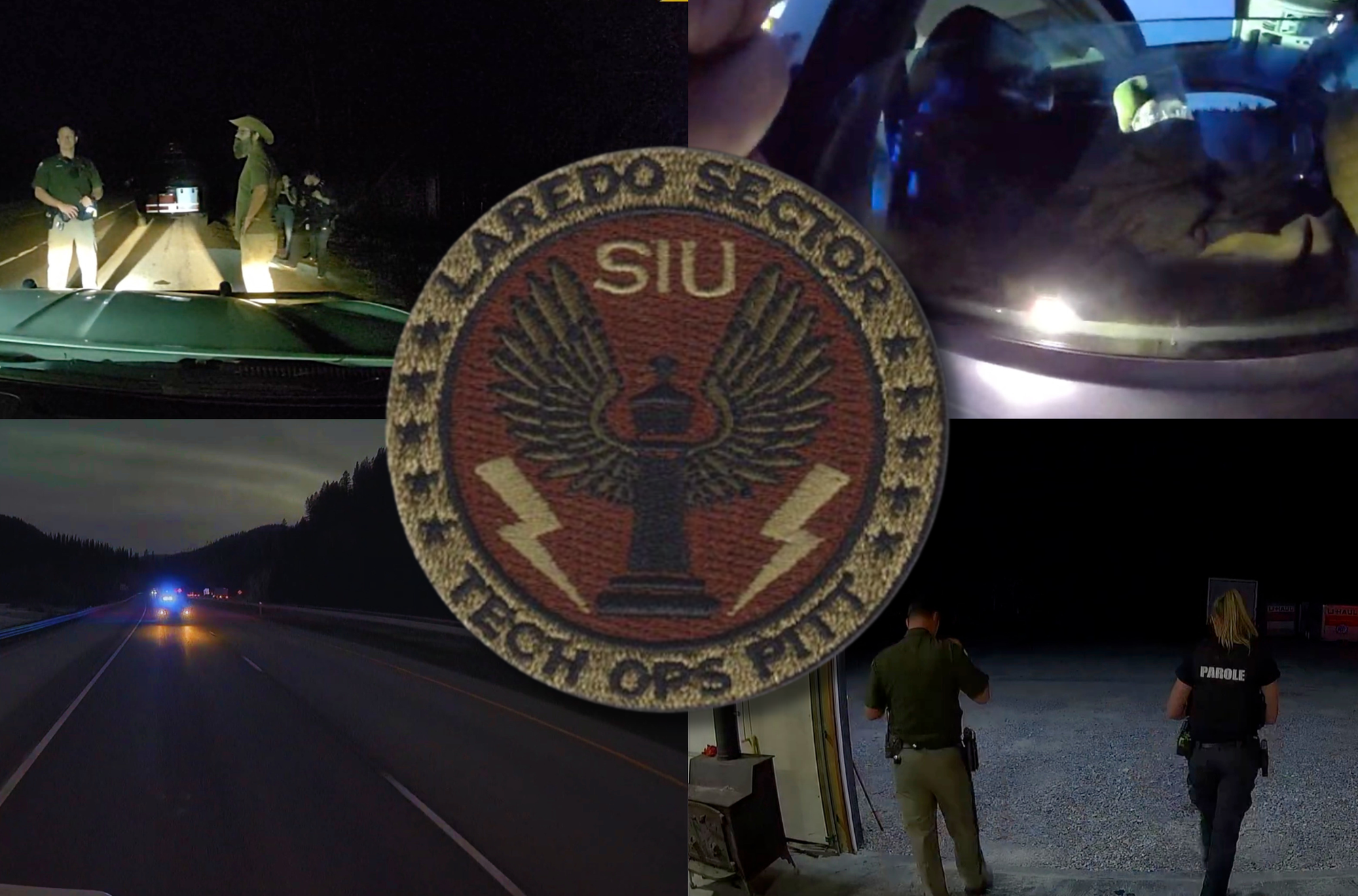
U.S. Border Patrol operates machine-learning systems that flag individuals for traffic stops based on financial transaction patterns, without prior criminal suspicion. The revelation exposes how predictive algorithms trained on behavioral data now drive law enforcement targeting at scale, raising questions about model bias, due process, and the absence of public oversight mechanisms. This represents a critical inflection point where opaque ML systems directly determine who faces police contact, establishing precedent for algorithmic profiling across federal agencies.
Modelwire’s AI-generated summary of coverage from 404 Media.
Modelwire analysis
Analyst takeOur AI-generated reading of the wider context and the next developments to watch.
The buried detail here is procurement and accountability: someone contracted, trained, and deployed these models inside DHS without triggering public scrutiny, which means the governance gap is not just legal but organizational. The question of who built the underlying models, and under what data agreements, remains entirely unanswered in current reporting.
This connects directly to the adversarial surveillance piece from 404 Media in early September, where Simon Weckert's digital camouflage shirt exposed how brittle deployed computer vision systems already are in security contexts. That story raised questions about reliability; this one raises the higher-stakes question of what happens when unreliable models are already making consequential decisions at scale, with no public audit path. The Anthropic story about opening watermark detection to regulators is also relevant as a contrast: there, a lab is proactively building compliance infrastructure. Here, a federal agency has done the opposite, deploying ML systems while actively avoiding the oversight infrastructure that would make compliance even possible.
Watch whether any congressional oversight committee issues a formal document request to DHS within the next 90 days. If no committee acts, that confirms the current absence of legislative appetite to regulate federal predictive policing models, which would accelerate quiet adoption across other agencies.
This interpretation is generated from the summary above and the archive coverage cited below. Our methodology · Report an error
Coverage behind this analysis
These archive entries ground the connection in our analysis. They are ordered by source publication date, with links to our coverage and the original sources.
·404 Media
Weckert's adversarial shirt defeats computer vision surveillance systems
Simon Weckert has demonstrated a practical adversarial technique that exploits vulnerabilities in computer vision systems used for surveillance. The 'digital camouflage' shirt represents a tangible proof-of-concept in the growing field of adversarial ML, where carefully designed patterns can fool object detection and tracking algorithms. This work highlights a critical gap between deployed surveillance infrastructure and…
MentionsU.S. Border Patrol · Department of Homeland Security · 404 Media
How this coverage is produced
Modelwire uses AI to generate summaries and context from source headlines, snippets, and selected archive coverage. Automated checks do not verify every claim, and items are not routinely reviewed by a person before publication. Zacaria Solis operates the site. Read the linked source for the full evidence and report errors through our corrections process.
Modelwire summarizes, we don’t republish. 404 Media originally reported this story as “A Secretive DHS ‘Predictive Policing’ Unit is Analyzing Americans' Financial Habits and Pulling Them Over”. The full content lives on 404media.co. If you’re a publisher and want a different summarization policy for your work, see our takedown page.