DeepMind releases AlphaGenome Atlas for variant effect prediction
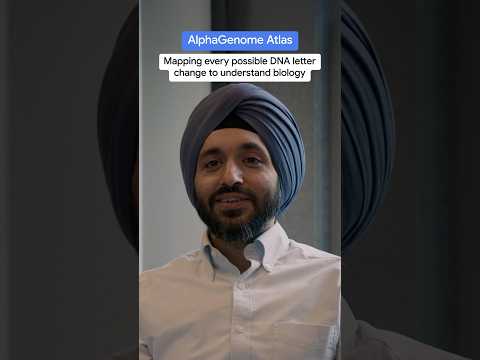
DeepMind's AlphaGenome Atlas represents a significant shift in genomic medicine: applying deep learning to map the functional consequences of all possible DNA variants at scale. Rather than sequencing individual genomes and hoping to spot disease-causing mutations, researchers now have a predictive foundation to interrogate rare genetic disorders systematically. This infrastructure move mirrors how foundation models have reshaped other domains, turning a brute-force search problem into a learned inference task. Early adoption for rare disease diagnosis and complex trait mapping signals that AI-driven variant interpretation is moving from research curiosity to clinical workflow, with implications for precision medicine adoption and the competitive landscape around genomic AI tools.
Modelwire context
Analyst takeThe summary frames this as an infrastructure shift, but the sharper question is who AlphaGenome Atlas is actually displacing. Established genomic interpretation platforms like Fabric Genomics and Emedgene already sit inside clinical workflows, and DeepMind entering that space as a foundation-layer provider changes the competitive calculus for those incumbents more than it changes anything for researchers.
This fits directly alongside the ChatGPT Health and Epic integration story from September 1st, where OpenAI moved to embed itself in clinical decision-making through existing EHR infrastructure. Both moves reflect the same strategic logic: AI labs are racing to become load-bearing components inside healthcare, not optional add-ons. DeepMind's new chief signaled in early September that frontier leadership is the only metric that matters internally, and AlphaGenome Atlas reads as a concrete expression of that priority in a domain where Google has credible scientific standing. The difference is that genomic variant interpretation is more defensible than general clinical chat, because the training data requirements and validation burden are high enough to slow fast followers.
Watch whether any major hospital genomics lab or rare disease consortium announces a formal validation partnership with AlphaGenome Atlas before end of Q1 2027. Adoption at that level would confirm clinical-grade confidence; absence of it would suggest the tool remains a research instrument rather than a workflow component.
Coverage we drew on
This analysis is generated by Modelwire’s editorial layer from our archive and the summary above. It is not a substitute for the original reporting. How we write it.
MentionsGoogle DeepMind · AlphaGenome Atlas
Modelwire Editorial
This synthesis and analysis was prepared by the Modelwire editorial team. We use advanced language models to read, ground, and connect the day’s most significant AI developments, providing original strategic context that helps practitioners and leaders stay ahead of the frontier.
Modelwire summarizes, we don’t republish. Google DeepMind (YouTube) originally reported this story as “AlphaGenome Atlas: Using AI to find disease causing variants 🧬”. The full content lives on youtube.com. If you’re a publisher and want a different summarization policy for your work, see our takedown page.