Enterprise AI shifts from capability proof to efficiency optimization
Source published ·Modelwire updated
Original coverage: MIT Technology Review - AI ↗·How Modelwire adds context
The development
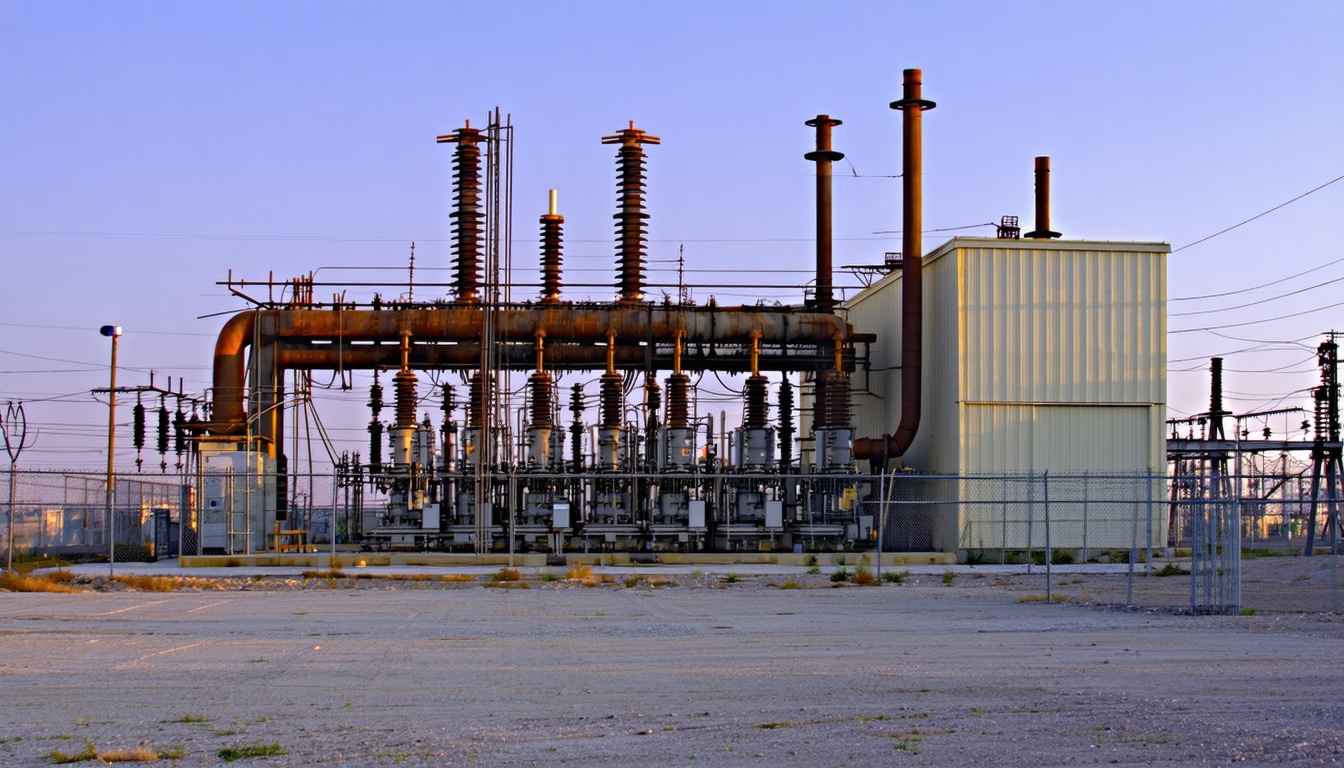
As enterprise AI deployment scales from pilot to production, the strategic focus is shifting from capability validation to operational efficiency. MIT Technology Review frames this inflection point through an electricity analogy: early adoption asks whether AI works; mature infrastructure demands optimization of cost, latency, and resource consumption. This transition reshapes vendor selection, infrastructure investment, and ROI calculations across industries. Organizations now face pressure to architect AI systems for scale and efficiency rather than proof-of-concept performance, fundamentally altering procurement and engineering priorities in the enterprise stack.
Modelwire’s AI-generated summary of coverage from MIT Technology Review - AI.
Modelwire analysis
Analyst takeOur AI-generated reading of the wider context and the next developments to watch.
The electricity analogy MIT Technology Review uses isn't decorative. It maps directly onto a real constraint: the infrastructure gap covered in 'The fossil fuel comeback is here' means that optimizing AI for cost and latency isn't purely a software problem. Where you can build, and at what power cost, is now a first-order variable in enterprise ROI calculations.
The Verge's October 19 piece on US electricity demand documented how data center expansion is already forcing utilities toward fossil fuel capacity, which puts a hard physical ceiling on the 'scale for efficiency' mandate this story describes. Meanwhile, the governance gap documented across multiple AI Business pieces from mid-October (on DeepSeek exploits, agent controls, and IBM's framing of trust-at-scale) suggests that enterprises optimizing for operational efficiency are doing so while governance infrastructure still lags badly. The cross-industry adoption piece from MIT Technology Review on the same date adds another layer: sectors outside tech are entering this production-scale phase without the institutional knowledge that early adopters accumulated during the pilot era.
Watch whether major cloud providers adjust enterprise AI pricing tiers in Q1 2027 to reflect power and latency costs explicitly. If they do, it confirms the efficiency-first framing here is already reshaping commercial terms, not just engineering priorities.
This interpretation is generated from the summary above and the archive coverage cited below. Our methodology · Report an error
Coverage behind this analysis
These archive entries ground the connection in our analysis. They are ordered by source publication date, with links to our coverage and the original sources.
·The Verge - AI
US fossil fuel buildout outpaces renewable capacity as data centers strain the grid
US electricity demand is accelerating faster than renewable capacity can match, driven by data center expansion, manufacturing reshoring, and EV adoption. This infrastructure gap is forcing utilities and policymakers to greenlight fossil fuel plants at rates unseen in a decade, creating a critical constraint on AI deployment. The mismatch between compute-hungry workloads and available clean…
MentionsMIT Technology Review
How this coverage is produced
Modelwire uses AI to generate summaries and context from source headlines, snippets, and selected archive coverage. Automated checks do not verify every claim, and items are not routinely reviewed by a person before publication. Zacaria Solis operates the site. Read the linked source for the full evidence and report errors through our corrections process.
Modelwire summarizes, we don’t republish. MIT Technology Review - AI originally reported this story as “The new economics of enterprise AI”. The full content lives on technologyreview.com. If you’re a publisher and want a different summarization policy for your work, see our takedown page.