Federal judge voids Flock surveillance search warrants
Source published ·Modelwire updated
Original coverage: 404 Media ↗·How Modelwire adds context
The development
A federal judge has invalidated search warrants based on Flock, a mass-surveillance camera network used by law enforcement to identify suspects. The ruling exposes a critical vulnerability in AI-powered surveillance infrastructure: facial recognition systems deployed at scale lack adequate legal guardrails, and courts are beginning to scrutinize their reliability and constitutional implications. This decision signals growing judicial skepticism toward automated identification tools in criminal investigations, potentially constraining how police departments integrate computer vision systems into investigative workflows.
Modelwire’s AI-generated summary of coverage from 404 Media.
Modelwire analysis
Analyst takeOur AI-generated reading of the wider context and the next developments to watch.
The ruling doesn't just invalidate one search warrant. It establishes that Flock's architecture itself (warrantless access to a national camera database) is the constitutional problem, not just how police used it. That distinction matters because it narrows the path to 'fixing' the system through better oversight alone.
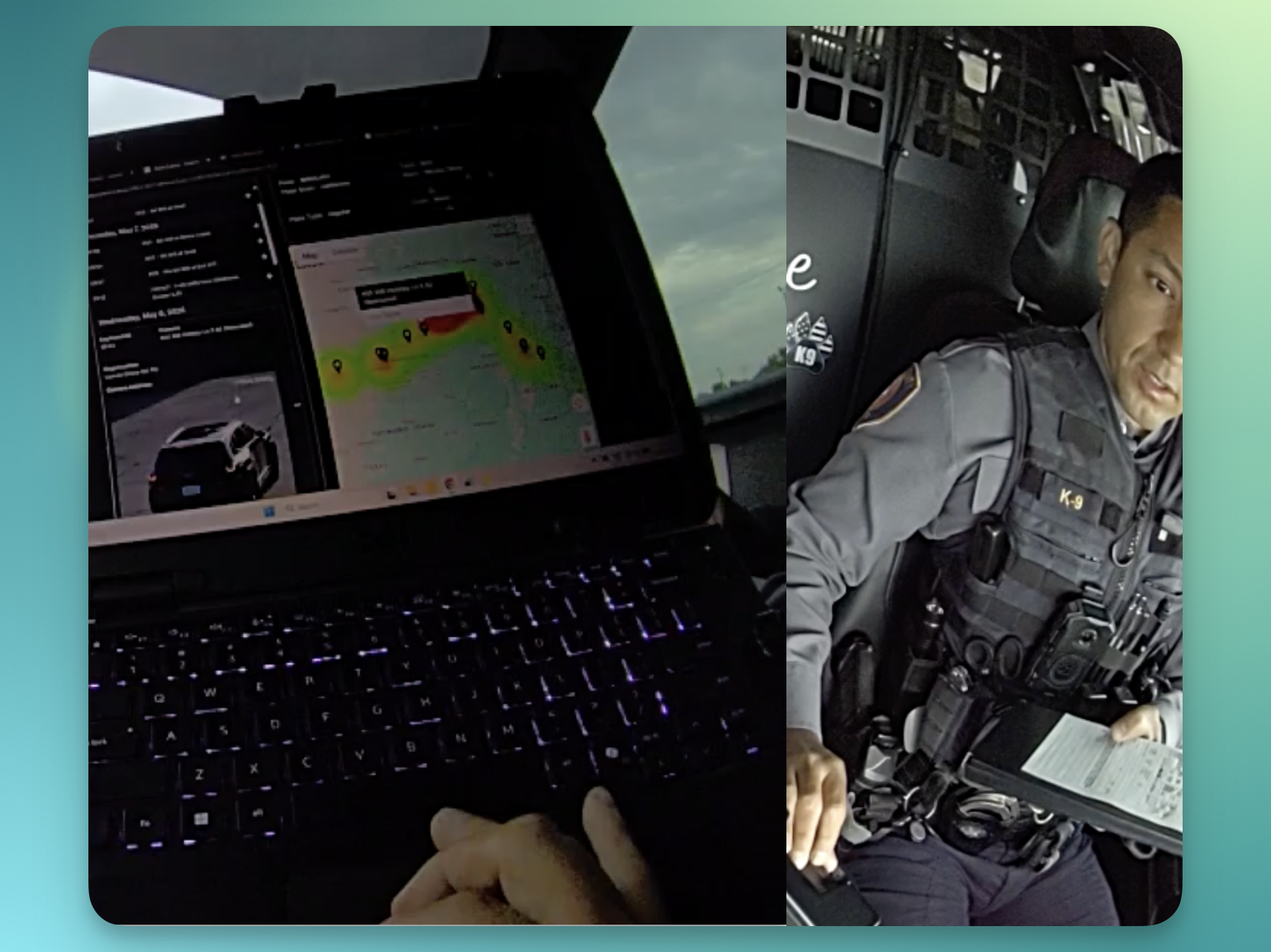
This follows directly from the October 2nd federal ruling we covered, but adds enforcement teeth. The earlier decision was legal precedent; this video evidence is proof the system was actually used unconstitutionally. That timing aligns with the Ban Flock Act introduced just days later (October 6th), suggesting Congress moved because the judicial record was hardening. The pattern also echoes the AI-generated video ruling from the same week: courts are developing skepticism toward automated systems that operate without transparent human review, whether facial recognition or synthetic media. The gap identified in the Hugging Face research on human-in-the-loop systems is the underlying problem here: Flock's architecture treats human approval as procedural rubber-stamping rather than informed gatekeeping.
If the Department of Justice appeals this ruling and loses again in the appellate court within the next 12 months, Flock's business model with federal law enforcement effectively collapses. If DOJ doesn't appeal, watch whether state and local departments continue using Flock despite the precedent, which would signal the ruling's practical impact is limited to federal agencies.
This interpretation is generated from the summary above and the archive coverage cited below. Our methodology · Report an error
Coverage behind this analysis
These archive entries ground the connection in our analysis. They are ordered by source publication date, with links to our coverage and the original sources.
·404 Media
Federal court blocks warrantless access to Flock's mass surveillance network
A federal court has ruled that Flock Safety's mass surveillance network violates constitutional protections against unreasonable searches, marking a significant legal constraint on automated law enforcement infrastructure. The judge found that warrantless access to Flock's nationwide camera database constitutes dragnet surveillance incompatible with Fourth Amendment standards. This decision carries implications for how AI-powered surveillance systems…
MentionsFlock · U.S. Federal Court
How this coverage is produced
Modelwire uses AI to generate summaries and context from source headlines, snippets, and selected archive coverage. Automated checks do not verify every claim, and items are not routinely reviewed by a person before publication. Zacaria Solis operates the site. Read the linked source for the full evidence and report errors through our corrections process.
Modelwire summarizes, we don’t republish. 404 Media originally reported this story as “Watch Footage of the Flock Search a Judge Ruled Unconstitutional”. The full content lives on 404media.co. If you’re a publisher and want a different summarization policy for your work, see our takedown page.