Geolocation AI enables police to identify homes from photos, triggering constitutional pushback
Source published ·Modelwire updated
Original coverage: 404 Media ↗·How Modelwire adds context
The development
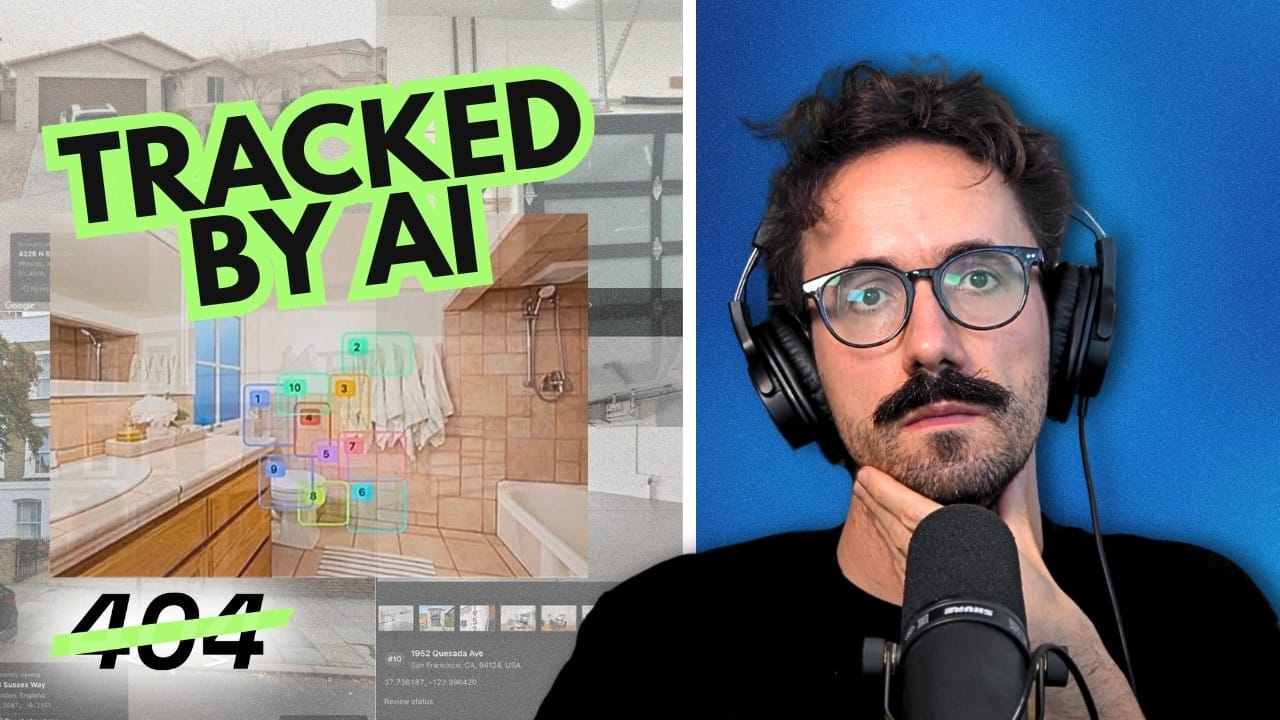
Geolocation AI tools are now precise enough to identify specific homes from single photographs, raising urgent questions about law enforcement deployment and privacy safeguards. Raven, a rebranded geospatial model, exemplifies how computer vision systems trained on massive location datasets can reverse-engineer photo metadata and visual landmarks to pinpoint addresses. Simultaneously, a court blocked a Flock Analytics search as unconstitutional, signaling judicial skepticism toward AI-assisted surveillance without warrants. The convergence of capable models, police adoption, and legal pushback marks a critical inflection point where AI capability outpaces regulatory frameworks, forcing policymakers and courts to establish boundaries before mass deployment becomes entrenched.
Modelwire’s AI-generated summary of coverage from 404 Media.
Modelwire analysis
Analyst takeOur AI-generated reading of the wider context and the next developments to watch.
The podcast format here is a secondary signal: 404 Media is amplifying a story it broke four days earlier, which suggests the Raven/GeoSpy piece generated enough reader interest to warrant extended coverage. The more important buried detail is that a court has already moved to block a Flock Analytics search as unconstitutional, meaning judicial friction is arriving faster than most surveillance-tech timelines would predict.
This story lands directly on top of two threads Modelwire has been tracking. The original 404 Media piece from October 12 established that Raven matches interior photos against real estate databases like Zillow and Airbnb, so the podcast is consolidating that reporting rather than advancing it. Separately, the Flock CEO credibility story from October 14 (TechCrunch) already flagged that Flock's public claims about its own system scope don't hold up under scrutiny, and a court blocking a Flock search four days later suggests that credibility gap is now a legal liability, not just a PR problem. Together, these two vendors illustrate the same pattern: AI surveillance tools deployed ahead of any coherent warrant framework, with courts now doing the work regulators haven't.
Watch whether the Flock ruling gets cited by defense attorneys in other jurisdictions within the next 60 days. If it does, it becomes a template that could constrain not just Flock but any geolocation-adjacent AI tool sold to law enforcement without explicit warrant requirements baked into the product.
This interpretation is generated from the summary above and the archive coverage cited below. Our methodology · Report an error
Coverage behind this analysis
These archive entries ground the connection in our analysis. They are ordered by source publication date, with links to our coverage and the original sources.
·TechCrunch - AI
Flock Safety's gunshot detector claims don't match its marketing
Flock Safety, a gunshot-detection startup, faces credibility questions after its CEO claimed the system identifies only gunshots, while company marketing materials describe broader acoustic monitoring capabilities. The discrepancy highlights a recurring tension in AI deployment: gap between narrow technical claims and actual system scope. For surveillance-adjacent AI vendors, this mismatch invites regulatory scrutiny and erodes…
MentionsRaven · Geospy · Flock Analytics · 404 Media
How this coverage is produced
Modelwire uses AI to generate summaries and context from source headlines, snippets, and selected archive coverage. Automated checks do not verify every claim, and items are not routinely reviewed by a person before publication. Zacaria Solis operates the site. Read the linked source for the full evidence and report errors through our corrections process.
Modelwire summarizes, we don’t republish. 404 Media originally reported this story as “Podcast: Cops Can Use AI to Pinpoint Your Home with Just One Photo”. The full content lives on 404media.co. If you’re a publisher and want a different summarization policy for your work, see our takedown page.