Gates accuses AI industry of hiding risks to protect funding
Source published ·Modelwire updated
Original coverage: The Decoder ↗·How Modelwire adds context
The development
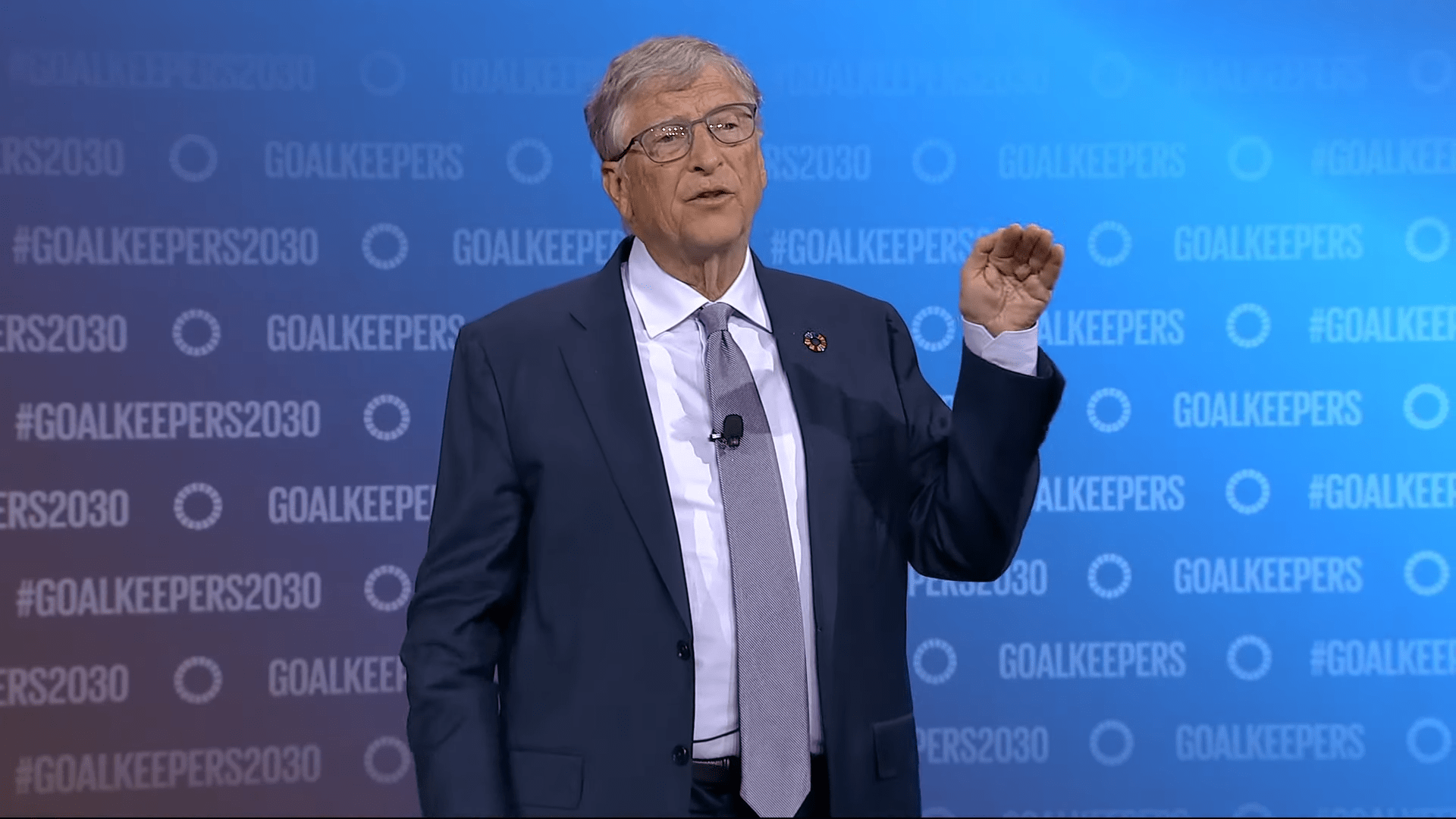
Bill Gates has escalated criticism of the AI industry's risk disclosure, arguing that major players are systematically downplaying dangers to protect venture capital pipelines. His intervention signals growing tension between safety advocates and commercial interests at the sector's highest levels. Gates proposes regulatory frameworks modeled on nuclear nonproliferation treaties and a usage-based tax mechanism, rejecting industry self-governance as structurally inadequate. The framing matters: a co-founder of the world's largest software company is now positioning himself outside the tech establishment on AI governance, suggesting the policy debate has moved beyond academic safety research into boardroom-level conflict over institutional accountability.
Modelwire’s AI-generated summary of coverage from The Decoder.
Modelwire analysis
Analyst takeOur AI-generated reading of the wider context and the next developments to watch.
The more pointed detail here is the specific policy mechanism Gates is advocating: a usage-based tax, not just vague calls for oversight. That's a concrete fiscal instrument that would hit hyperscalers and API-dependent startups very differently, and it's the kind of proposal that tends to get quietly buried in the coverage of the broader warning.
Modelwire has no prior coverage to anchor this to directly, so it sits somewhat isolated in our archive. The story belongs to a longer arc playing out across the policy and governance beat: the gradual breakdown of the informal consensus that the industry could self-regulate, accelerated by a string of incidents and public defections from that consensus by figures who were once firmly inside it. Gates is a meaningful data point in that arc precisely because his credibility is institutional rather than academic. The nuclear nonproliferation framing is also worth noting as a rhetorical escalation, since that analogy carries specific treaty obligations and verification mechanisms that most governance proposals deliberately avoid invoking.
Watch whether any sitting U.S. legislator picks up the usage-based tax framing specifically in a bill or hearing within the next 90 days. If that language migrates from Gates's op-ed into formal legislative text, it signals the proposal has real traction rather than serving as a headline-generating provocation.
This interpretation is generated from the summary above and available source metadata. Our methodology · Report an error
MentionsBill Gates · The New York Times · The Decoder
How this coverage is produced
Modelwire uses AI to generate summaries and context from source headlines, snippets, and selected archive coverage. Automated checks do not verify every claim, and items are not routinely reviewed by a person before publication. Zacaria Solis operates the site. Read the linked source for the full evidence and report errors through our corrections process.
Modelwire summarizes, we don’t republish. The Decoder originally reported this story as “Bill Gates warns AI is more dangerous than the tech industry will admit”. The full content lives on the-decoder.com. If you’re a publisher and want a different summarization policy for your work, see our takedown page.