K-pop Fans Are Calling Out Creepy Deepfakes of Idols
Source published ·Modelwire updated
Original coverage: 404 Media ↗·How Modelwire adds context
The development
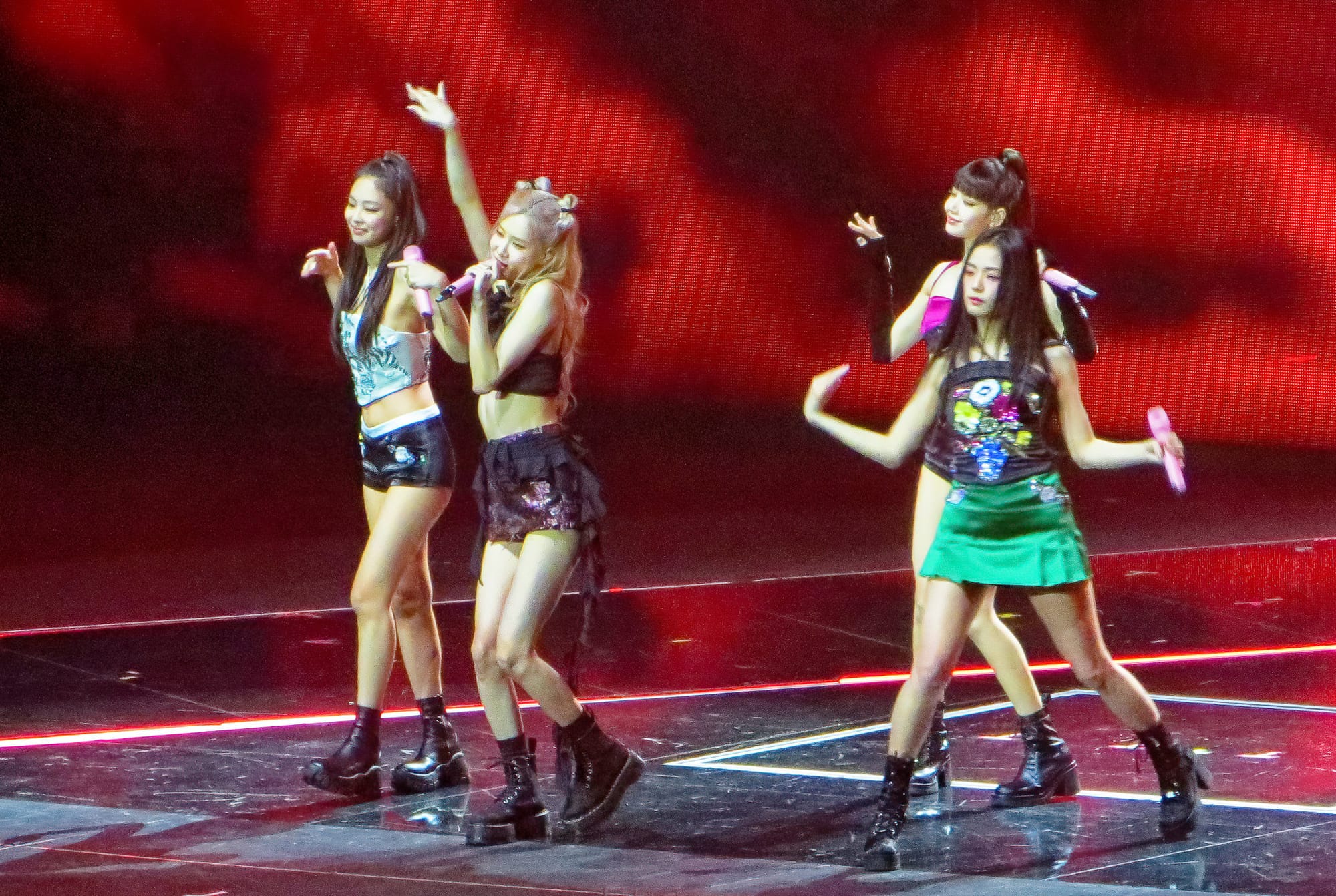
K-pop fandom mobilization against synthetic media abuse reveals a critical gap in platform governance and generative AI ethics enforcement. As deepfake technology becomes more accessible, communities are self-organizing to counter non-consensual sexualized content targeting public figures, exposing how current moderation systems fail to prevent harm at scale. This grassroots pushback signals growing friction between generative capability and social accountability, forcing platforms and AI developers to confront liability for downstream misuse of their tools.
Modelwire’s AI-generated summary of coverage from 404 Media.
Modelwire analysis
Analyst takeOur AI-generated reading of the wider context and the next developments to watch.
The K-pop fandom angle is the visible surface, but the real story is that non-consensual synthetic media is now generating enough organized, public pressure to create reputational and potentially legal exposure for the generative AI platforms that supply the underlying tools, not just the individuals who misuse them.
This sits in a pattern Modelwire has been tracking across several fronts. The 404 Media piece from June 1 on AI-generated anti-data center content showed how synthetic media infrastructure enables harm at scale with minimal accountability. That story was about disinformation; this one is about sexualized abuse, but the structural failure is identical: platforms profit from generative capability while downstream misuse lands on communities and individuals to police. Meanwhile, OpenAI's policy statement from June 1 positioned frontier labs as active shapers of AI regulation rather than passive recipients of it. If that framing holds, labs cannot credibly claim governance leadership while their tools are routinely weaponized for non-consensual content. The pressure from organized fandoms may actually be one of the few forcing functions that moves platform policy faster than legislative timelines.
Watch whether any major generative image platform (Midjourney, Stability, or a comparable provider) updates its terms of service or adds identity-based content filters within the next 90 days in direct response to documented K-pop deepfake campaigns. A concrete policy change would confirm that community pressure is translating into platform accountability; silence would confirm the governance gap is structural.
This interpretation is generated from the summary above and the archive coverage cited below. Our methodology · Report an error
Coverage behind this analysis
These archive entries ground the connection in our analysis. They are ordered by source publication date, with links to our coverage and the original sources.
·404 Media
AI Grifters Are Making Anti-Data Center Slop With AI
Coordinated networks of AI-generated content are flooding social media with fabricated anti-data center messaging, revealing how synthetic media infrastructure itself becomes a vector for disinformation campaigns. This represents a strategic escalation in how generative AI enables low-cost, high-volume manipulation of public opinion on infrastructure policy, blurring the line between grassroots activism and algorithmic astroturfing. The…
MentionsK-pop idols · 404 Media · deepfake technology · generative AI platforms
How this coverage is produced
Modelwire uses AI to generate summaries and context from source headlines, snippets, and selected archive coverage. Automated checks do not verify every claim, and items are not routinely reviewed by a person before publication. Zacaria Solis operates the site. Read the linked source for the full evidence and report errors through our corrections process.
Modelwire summarizes, we don’t republish. The full content lives on 404media.co. If you’re a publisher and want a different summarization policy for your work, see our takedown page.