MOMO: A framework for seamless physical, verbal, and graphical robot skill learning and adaptation
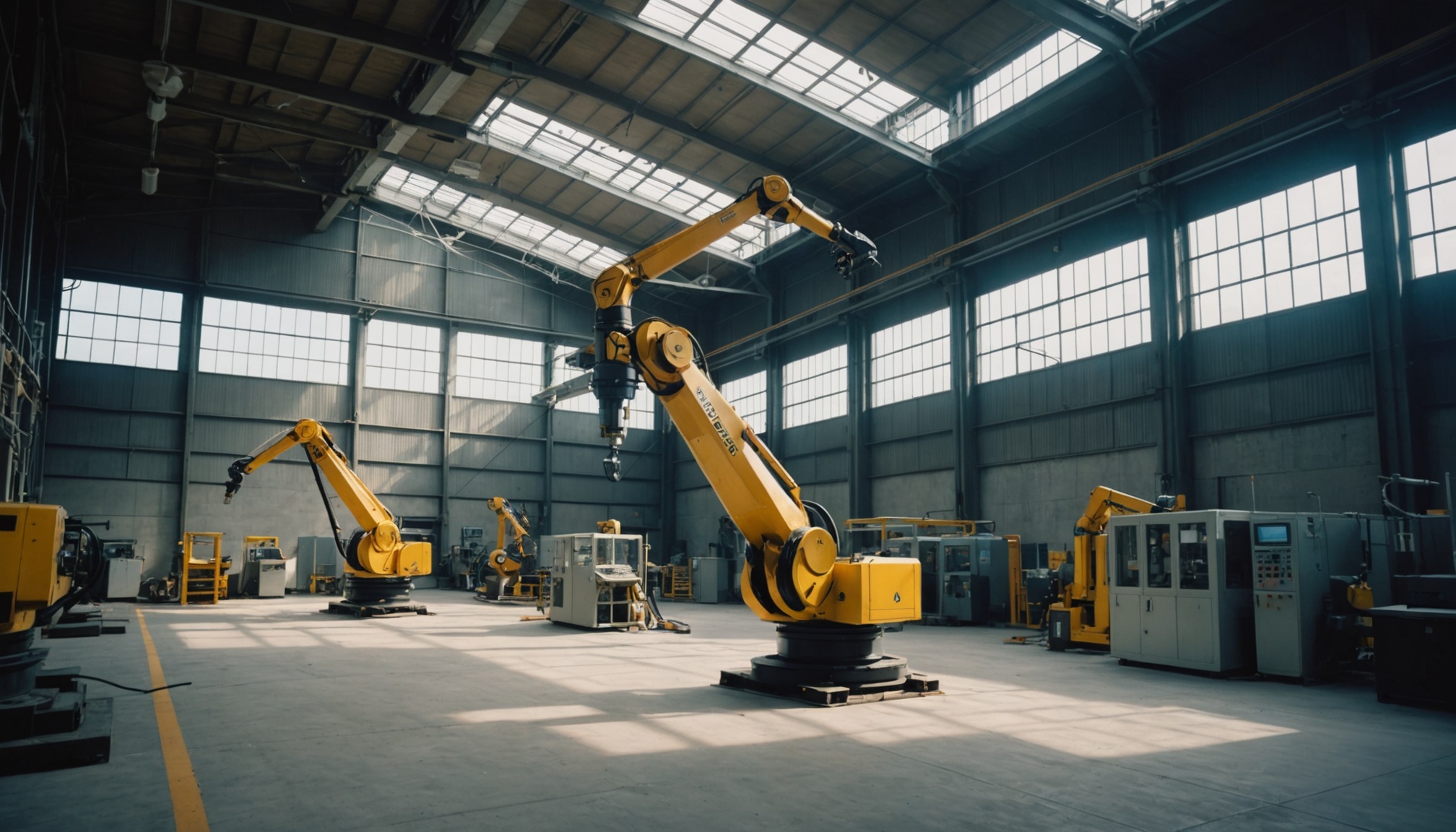
Researchers introduced MOMO, a robot skill framework combining kinesthetic guidance, natural language commands, and graphical interfaces to let non-experts reprogram industrial robots for new tasks. The system uses energy-based intention detection and tool-calling LLMs to translate human input across modalities into executable robot behaviors.
Modelwire context
ExplainerThe genuinely underreported detail here is the energy-based intention detection layer: rather than waiting for explicit commands, the system continuously monitors physical interaction signals to infer when a human wants to intervene and hand off control. That's a different problem from multimodal input parsing, and it's the piece that makes real-time human-robot collaboration plausible without dedicated trigger buttons or voice wake words.
This sits in direct conversation with the MIT Technology Review piece from April 17, 'How robots learn: A brief, contemporary history,' which traced the persistent gap between general robotic ambition and narrow industrial deployment. MOMO is essentially an attempt to close that gap from the human side rather than the robot side: instead of making robots smarter, it makes reprogramming them accessible to non-experts. That's a different bet than Physical Intelligence's π0.7 approach covered here on April 16, which pursues task generalization through model capability. The two strategies aren't mutually exclusive, but they reflect genuinely different assumptions about where the bottleneck actually lives.
The credibility test for MOMO is whether it gets validated outside a controlled lab setting: if the authors or an industrial partner publish a deployment study on a production line within the next 12 months, the intention-detection claims become much harder to dismiss. Absent that, this remains a promising bench result.
Coverage we drew on
- How robots learn: A brief, contemporary history · MIT Technology Review — AI
This analysis is generated by Modelwire’s editorial layer from our archive and the summary above. It is not a substitute for the original reporting. How we write it.
Modelwire Editorial
This synthesis and analysis was prepared by the Modelwire editorial team. We use advanced language models to read, ground, and connect the day’s most significant AI developments, providing original strategic context that helps practitioners and leaders stay ahead of the frontier.
Modelwire summarizes, we don’t republish. The full content lives on arxiv.org. If you’re a publisher and want a different summarization policy for your work, see our takedown page.