Perplexity announces hybrid AI system that decides what runs locally or in the cloud
Source published ·Modelwire updated
Original coverage: The Decoder ↗·How Modelwire adds context
The development
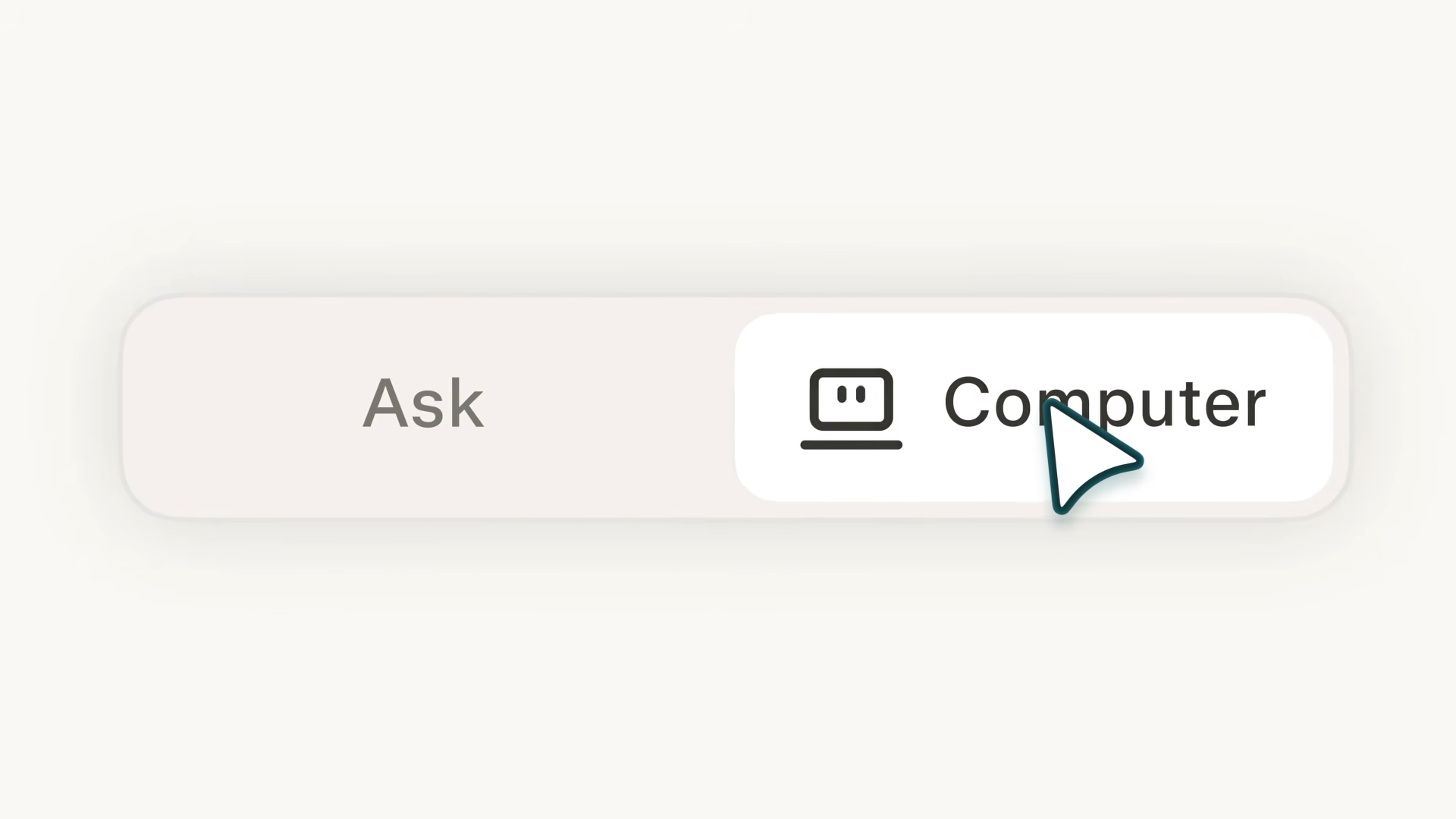
Perplexity's new orchestrator represents a meaningful shift in how AI inference gets distributed across edge and cloud infrastructure. Rather than forcing all computation to one location, the system intelligently routes tasks based on latency, cost, and capability requirements, letting lighter operations run locally while reserving cloud resources for complex reasoning. This addresses a core tension in modern AI deployment: balancing privacy and responsiveness against computational power. For builders, this signals a maturing market where hybrid inference becomes table stakes, not a differentiator.
Modelwire’s AI-generated summary of coverage from The Decoder.
Modelwire analysis
Analyst takeOur AI-generated reading of the wider context and the next developments to watch.
The more consequential detail isn't the hybrid routing itself but who is doing it. Perplexity is a search and answer product, not an infrastructure vendor, and building an inference orchestrator puts it in direct competition with the cloud providers and device chipmakers it currently depends on.
This move lands in the middle of a hardware land grab we've been tracking closely. Nvidia's RTX Spark pitch (covered June 1 via The Decoder) was explicitly about making local agent inference practical on Windows devices, and Perplexity's orchestrator is exactly the kind of software layer that would sit on top of that hardware. The two stories together sketch a plausible near-term stack: capable edge silicon at the device level, with an orchestration layer deciding what stays local and what routes up. OpenAI's AWS distribution deal from the same week adds pressure from the other direction, since cloud-native inference gets cheaper and more accessible just as edge compute matures. Perplexity is betting it can own the routing logic before any single hardware or cloud vendor locks that layer down.
Watch whether Perplexity publishes latency and cost benchmarks broken down by task type within the next two quarters. Without that, the routing intelligence claim is unverifiable, and the product is just a client-side load balancer with better marketing.
This interpretation is generated from the summary above and the archive coverage cited below. Our methodology · Report an error
Coverage behind this analysis
These archive entries ground the connection in our analysis. They are ordered by source publication date, with links to our coverage and the original sources.
·The Decoder
Nvidia pitches RTX Spark as the chip that finally makes local AI agents practical on Windows devices
Nvidia's RTX Spark represents a direct challenge to Apple and Qualcomm's dominance in on-device AI by pairing Blackwell GPU compute with Grace CPU architecture and 128GB unified memory, targeting practical local agent inference on Windows. The 1,000 TOPS FP4 throughput and backing from major OEMs (ASUS, Dell, HP, Lenovo, Microsoft, MSI) shipping devices by Q4…
MentionsPerplexity
How this coverage is produced
Modelwire uses AI to generate summaries and context from source headlines, snippets, and selected archive coverage. Automated checks do not verify every claim, and items are not routinely reviewed by a person before publication. Zacaria Solis operates the site. Read the linked source for the full evidence and report errors through our corrections process.
Modelwire summarizes, we don’t republish. The full content lives on the-decoder.com. If you’re a publisher and want a different summarization policy for your work, see our takedown page.