Tao warns AI-generated proofs could fracture mathematics' foundational values
Source published ·Modelwire updated
Original coverage: The Decoder ↗·How Modelwire adds context
The development
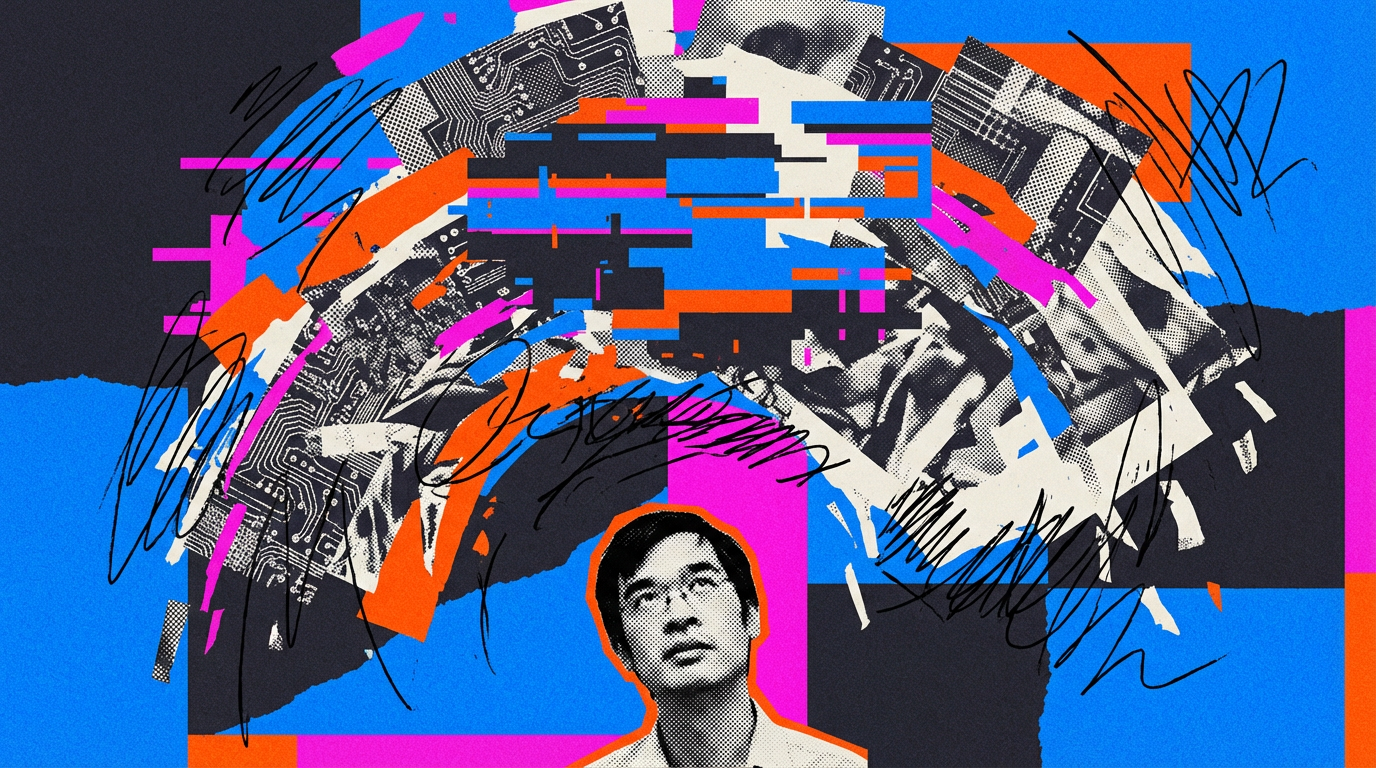
Terence Tao has articulated a structural threat to mathematics itself: AI systems capable of generating valid proofs that humans cannot verify or understand. Unlike past foundational crises that questioned mathematical truth, this one targets the field's core values around attribution, reproducibility, and what constitutes legitimate contribution. Tao proposes a pragmatic threshold: proofs requiring human comprehension to be considered complete. This framing shifts the AI-mathematics collision from capability benchmarks to epistemology, forcing the field to decide whether it will accept black-box mathematical knowledge or maintain human interpretability as a prerequisite for acceptance.
Modelwire’s AI-generated summary of coverage from The Decoder.
Modelwire analysis
ExplainerOur AI-generated reading of the wider context and the next developments to watch.
The sharpest edge of Tao's argument isn't about AI being wrong, it's about AI being unverifiably right. A proof that is formally valid but humanly opaque doesn't fail mathematics on its own terms, which is precisely what makes the threat harder to dismiss than a hallucination problem.
This is largely disconnected from recent activity in our archive, which currently holds no related coverage. The story belongs to a slow-building conversation inside mathematics and formal verification communities about what peer review means when the reviewer can't follow the argument. That conversation has been running in parallel to the broader AI reasoning benchmarks discourse, but Tao's framing pulls it into sharper relief by naming a concrete threshold: human comprehensibility as a condition of completeness, not merely a preference.
Watch whether major proof assistant projects such as Lean or Coq formally adopt or reject a human-interpretability requirement in their contribution standards within the next twelve months. A policy move there would signal whether Tao's framing is gaining institutional traction or remaining a philosophical provocation.
This interpretation is generated from the summary above and available source metadata. Our methodology · Report an error
MentionsTerence Tao · The Decoder
How this coverage is produced
Modelwire uses AI to generate summaries and context from source headlines, snippets, and selected archive coverage. Automated checks do not verify every claim, and items are not routinely reviewed by a person before publication. Zacaria Solis operates the site. Read the linked source for the full evidence and report errors through our corrections process.
Modelwire summarizes, we don’t republish. The Decoder originally reported this story as “Terence Tao says AI could trigger math's biggest crisis since Gödel”. The full content lives on the-decoder.com. If you’re a publisher and want a different summarization policy for your work, see our takedown page.